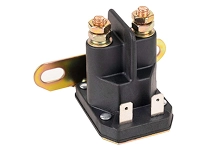
Automotive Replacement Starters and Alternators
A dependable starting and charging system helps a vehicle start consistently and power its electrical equipment. Replacement starters turn the engine during ignition, while alternators generate electricity after the engine is running and help recharge the battery. This category includes complete starter motors, alternator assemblies, and selected service components for repairing existing units. Depending on the vehicle and application, shoppers may encounter new, remanufactured, or rebuilt parts; check the product details to understand what is supplied. Brands commonly associated with these components include Bosch, DENSO, Valeo, and Delco Remy. Use the vehicle's year, make, model, engine, and original equipment or part number to narrow options. Ubuy provides a way to discover automotive electrical products from international sellers, with fitment and included components to be checked on each listing.
- Starter motors and alternator assemblies
- New and remanufactured options
- Vehicle-specific fitment matters
Starter Motor Types, Solenoids, and Features
Starter motors are commonly designed as direct-drive or gear-reduction units. Gear-reduction designs use internal gearing to deliver cranking force from a compact motor, while direct-drive units use a more straightforward arrangement. Many starters include a solenoid that engages the pinion gear with the engine's flywheel or flexplate and switches electrical current to the motor. When comparing replacements, check the mounting pattern, rotation, terminal layout, pinion tooth count, and electrical connections against the original part. Start-stop vehicles, diesel engines, and performance applications may require specific designs or higher-duty components. A complete assembly can simplify replacement when the solenoid or drive mechanism is integrated, whereas separately serviceable parts may suit targeted repairs. Confirm the application and installation requirements before ordering.
- Direct-drive and gear-reduction designs
- Solenoid and pinion engagement
- Check rotation and mounting details
Alternator Output, Regulation, and Design
An alternator supplies electrical power to systems such as lighting, climate controls, infotainment, and engine electronics while maintaining battery charge. Important specifications include rated amperage, voltage regulation, pulley type, connector configuration, and mounting dimensions. Modern vehicles may use computer-controlled charging, variable output, or a battery monitoring system, so an alternator that physically fits may still be electrically incompatible. Pulley styles can include a solid pulley or an overrunning alternator pulley designed to manage belt movement; match the original arrangement and belt path. Internal parts may include a voltage regulator, rectifier, rotor, stator, bearings, and brushes. Compare the unit's specifications with the vehicle requirements and existing component. Avoid choosing a higher-output unit without confirming compatibility with the charging system and wiring.
- Compare amperage and regulation
- Match pulley and connector type
- Check smart-charging compatibility
Fitment, Electrical Compatibility, and Part Numbers
Accurate fitment is essential because starters and alternators vary across engine options, model years, trim levels, and production configurations. Begin with the vehicle identification details requested by the seller, then compare the original equipment number or manufacturer part number with the replacement listing. Also verify engine size and fuel type, mounting points, terminal positions, connector shape, pulley grooves, and rated output. A part number cross-reference can help identify a suitable replacement, but confirm that the cross-reference applies to the exact vehicle configuration. If the vehicle has modified electrical equipment or a replacement engine, original application data may not tell the whole story. Ubuy can help shoppers discover international automotive components; review product specifications and included hardware carefully, and seek qualified assistance when fitment remains uncertain.
- Use vehicle and engine details
- Cross-check the original part number
- Compare connectors and mounting points
Diagnosis, Installation, and Maintenance
Before replacing a starter or alternator, check for related faults that can produce similar symptoms. A weak battery, corroded terminals, damaged ground straps, worn drive belt, blown fuse, or wiring problem may affect starting or charging performance. A clicking sound, slow cranking, dim lights, or a battery warning lamp can guide diagnosis, but testing helps identify the actual cause. Installation may involve disconnecting the battery, supporting the vehicle safely, and following manufacturer procedures; electrical work should be handled by someone with suitable tools and experience. Inspect belt tension and cable condition, and make sure connections are clean and secure. Replacement accessories may include mounting hardware, pulleys, wiring pigtails, or starter shims where applicable. After installation, verify charging and starting operation using appropriate service information.
- Test the battery and connections
- Inspect belts, grounds, and wiring
- Follow safe installation procedures
Select the Right automotive replacement starters alternators
Choose a replacement by balancing exact fitment, electrical specifications, construction, and intended use. First determine whether the fault is in the starter, alternator, battery, or connected wiring; then identify the correct component using vehicle details and part-number references. Compare new and remanufactured options by reviewing the stated condition, included parts, technical specifications, and installation needs. For starters, pay attention to drive type, rotation, solenoid, and mounting design. For alternators, check amperage, regulator type, pulley, and connector compatibility. Consider whether the vehicle uses start-stop or computer-managed charging, and consult a qualified technician if specifications are unclear. When exploring products on Ubuy, use listing details to compare available configurations and confirm that the selected assembly matches the vehicle before purchase.
- Diagnose before replacing parts
- Prioritize exact application fitment
- Compare specifications and included components