Explore Beading Jewelry Making Supplies
Beading jewelry making combines beads, stringing materials, findings, and hand tools to create necklaces, bracelets, earrings, and decorative accessories. The category includes individual components as well as bead kits for beginners and more specialized supplies for experienced makers. Common bead types include glass, crystal, gemstone, ceramic, wood, acrylic, metal, and seed beads, each offering a different appearance, weight, and feel. Designs can be simple and minimal or built from repeating patterns, layered strands, and intricate beadwork. When browsing, consider the project you want to make, the finish you prefer, and whether components need to work together. Ubuy offers a way to discover international beading and jewelry-making products alongside supplies for different styles and skill levels.
- Supplies for jewelry and decorative beadwork
- Materials range from glass to gemstone
- Shop components or coordinated kits
Compare Bead Types, Shapes, and Finishes
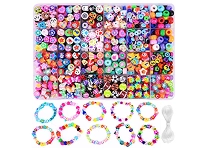
Choosing beads starts with understanding how material, shape, size, and finish influence a design. Round beads are versatile for stringing, while faceted beads catch light and add texture. Seed beads suit woven patterns, embroidery, and detailed fringe; popular size labels can vary by manufacturer, so check measurements before combining them. Delica-style cylinder beads are valued for their uniform shape in precise beadwork. Gemstone beads bring natural variation, whereas glass, crystal, and acrylic offer distinct color, clarity, and weight options. Pearls, metal beads, and wood beads can add contrast or a focal point. Finishes such as matte, polished, iridescent, or plated affect the overall look. Compare hole diameter too, especially when using thicker cord or multiple passes of thread.
- Match bead shape to the technique
- Check measurements and hole size
- Use finishes to build contrast
Choose Stringing Materials and Jewelry Findings
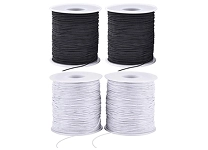
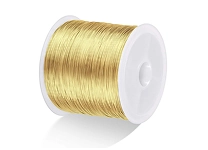
Stringing materials determine how a piece moves, feels, and holds up to regular wear. Beading thread is useful for loom work and off-loom stitches, while nylon thread and specialized braided threads suit different bead-weaving projects. Beading wire, made with fine metal strands and a protective coating, is commonly used for flexible necklaces and bracelets; match its thickness to bead holes and crimp components. Stretch cord works for elastic bracelets, and leather, waxed cord, or silk can create a different look and construction style. Findings complete the piece: clasps, jump rings, ear wires, head pins, eye pins, crimp beads, and bead tips connect or secure components. Check metal type, dimensions, and closure style so findings suit the design and intended use.
- Select thread, wire, or cord by technique
- Match findings to component dimensions
- Compare closure styles and metal finishes
Use Beading Tools and Techniques with Confidence
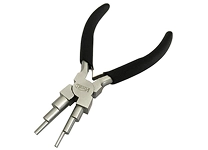
The right tools make jewelry assembly more controlled and help protect delicate materials. Essential options include round-nose pliers for loops, chain-nose pliers for opening and closing jump rings, and flush cutters for trimming wire. Crimping pliers secure crimp beads or tubes on beading wire, while beading needles help thread small-hole beads. A bead mat can limit rolling, and a design board helps arrange lengths and focal points before assembly. Common techniques include basic stringing, crimping, wire wrapping, loom weaving, peyote stitch, brick stitch, and bead embroidery. Start with instructions suited to the materials and skill level, then practice tension and finishing on spare supplies. For intricate work, compare needle size, thread compatibility, and tool grip before choosing a kit or individual tools.
- Build a practical starter tool set
- Choose needles for bead holes and thread
- Explore stringing, weaving, and wirework
Plan Projects, Kits, and Jewelry-Making Accessories
Project planning helps you buy components that fit together and avoid mismatched sizes or finishes. For a necklace, estimate the finished length and account for clasp and connector space; for earrings, consider the combined weight of beads and findings. Bracelet designs need attention to wrist fit, bead diameter, and the flexibility of the stringing material. Kits can bundle beads, findings, tools, or instructions for a coordinated project, while individual supplies offer more control over color and construction. Useful accessories include storage boxes with divided compartments, bead organizers, measuring tools, bead stoppers, and bead boards. Read product details for quantity, dimensions, material, and included components. Ubuy can help shoppers discover international jewelry-making kits, beads, tools, and accessories in one category.
- Plan dimensions before selecting quantities
- Compare kit contents and project guidance
- Organize beads by size, color, and type
Select the Right beading jewelry making
Choose supplies around your project, experience, and preferred design rather than appearance alone. Beginners may find a clearly described kit useful when it includes compatible beads, thread or cord, findings, and instructions; check whether essential tools are included. For a custom project, compare bead dimensions, hole size, thread or wire thickness, clasp measurements, and material finishes before purchasing. Consider how a finished piece will be used, since weight, flexibility, closure type, and construction method affect comfort and function. Review care needs as well: keep components organized, handle plated finishes gently, and follow material-specific cleaning guidance where provided. If you are building a collection, select versatile findings and tools that suit several techniques. Ubuy is a platform for discovering international beading jewelry making supplies and comparing options for your next project.
- Check compatibility across every component
- Choose supplies for skill and intended use
- Consider storage and material care