Kitchen Toys for Imaginative Pretend Play
Kitchen toys give children a playful way to imitate everyday cooking, serving, and cleanup routines. The category includes toy kitchens, play stoves, ovens, refrigerators, sinks, cooking sets, and smaller role-play accessories. A compact countertop set can suit a tabletop play area, while a freestanding kitchen can create a more complete pretend-play station. Children can take turns as cooks, guests, or shopkeepers, using imaginative scenarios to practise communication, sequencing, and cooperative play. Some sets focus on realistic household details, such as turning knobs and opening doors; others emphasize bright colors, simple shapes, or portable pieces. When comparing options, consider the child's play space, preferred style of play, and the amount of setup involved. Ubuy offers a place to discover kitchen toys and related play items from international selections.
- Toy kitchens and play cooking sets
- Role-play for solo or shared play
- Options for different play spaces
Toy Kitchen Types, Materials, and Features
The best format depends on how a child plays and where the set will be used. Wooden toy kitchens often have a substantial feel and may include painted or natural finishes, while plastic kitchens are commonly designed with lightweight components and molded details. Fabric accessories can add soft food or storage pieces, and metal cookware may provide a different tactile feel. Look closely at construction, smooth edges, stable feet, door hinges, and the way smaller pieces attach or store. Interactive details can include click-style knobs, pretend burners, removable panels, and sound or light effects; feature levels vary by product. A simpler design may encourage open-ended storytelling, while a detailed play kitchen can support more structured cooking scenarios. Product descriptions and dimensions help clarify materials, included components, and assembly requirements before purchase.
- Wood, plastic, and mixed-material designs
- Check stability and finish details
- Compare interactive features and dimensions
Play Food, Cookware, and Kitchen Accessories
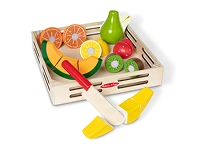
Accessories can make a toy kitchen more versatile and help children invent new play routines. Common additions include play pots and pans, utensils, plates, cups, cutting boards, pretend appliances, and food sets featuring fruits, vegetables, or pantry items. Some play food is designed as one-piece items; other sets may use hook-and-loop fasteners or connecting pieces to mimic slicing. Check the product listing to see whether accessories are included or sold separately, and compare piece counts, storage needs, and the size of small components. Compatibility matters: cookware should fit the play stove, and food or utensils should be manageable for the intended child. Bundled sets can provide a coordinated starting point, while individual accessories let families add to an existing setup. Organizing pieces in baskets or bins can make cleanup part of the play experience.
- Cookware, utensils, and pretend food
- Check included pieces and dimensions
- Add accessories to extend play
Age, Safety, and Play-Space Considerations
Choose kitchen toys with the child's age, abilities, and available play area in mind. Follow the manufacturer's age guidance and inspect product information for small parts, assembly details, and care instructions. A toddler may benefit from larger, easy-to-handle components and straightforward features, while an older child may enjoy more accessories and realistic role-play details. Measure the intended spot before selecting a freestanding kitchen, including room for doors to open and children to move around it. For shared play, consider whether more than one child can comfortably reach the work surface and use the accessories. Check that the product can be assembled securely and placed on a stable surface, then periodically inspect frequently handled pieces for wear. These practical checks help match a toy kitchen to everyday play without relying on appearance alone.
- Use age guidance and product details
- Measure the play area before buying
- Inspect assembly and pieces regularly
Setup, Storage, and Care for Kitchen Toys
A little planning can make a play kitchen easier to use and maintain. Before assembly, review the instructions, identify the included hardware, and allow enough room to build and position the unit. Keep accessory pieces together in labeled containers or designated shelves so children can find them and help put them away. Cleaning methods depend on the material: follow the product's care guidance, use suitable methods for the surface, and let washed pieces dry fully before storage. Avoid assuming that electronic features, fabric parts, or painted finishes can be cleaned in the same way. If a set includes batteries or removable components, check the instructions for handling and storage. Shoppers exploring different designs on Ubuy can compare product details and accessory combinations, then consider whether the set's upkeep and storage needs fit their household routine.
- Review assembly and care instructions
- Organize small accessories after play
- Match cleaning to each material
Select the Right kitchen toys
Start with the kind of play the child enjoys: cooking role-play, serving meals, organizing pretend groceries, or sharing a play station with siblings and friends. Next, compare the toy kitchen's footprint, height, materials, included accessories, and assembly needs. Consider whether a portable set or a larger play kitchen makes better use of the available space, and check that cookware and play food suit the child's age and handling skills. Interactive features can add variety, but they are only one part of the decision; durability, accessible storage, and a manageable number of pieces also matter. Read product specifications carefully to understand what comes in the box and what may need to be purchased separately. Ubuy can help shoppers explore international kitchen toy options and compare styles, features, and accessories to find a set that fits their play plans.
- Match the set to play interests
- Compare size, materials, and contents
- Check specifications before choosing