Martial Arts Weapons for Training, Practice, and Display
Martial arts weapons include traditional implements used in disciplines such as kobudo, kung fu, and other weapon-based training, along with purpose-made practice versions and collectible display pieces. Common categories include staffs, wooden swords, training knives, nunchaku, sai, and padded or foam replicas. The right option depends on the discipline, the practitioner's experience, and whether the item is intended for supervised practice, forms, or display. Training equipment is generally designed to reduce risk compared with sharp or heavy-duty versions, but no weapon is risk-free. Check the maker's intended use and follow instruction from a qualified teacher. Buyers browsing Ubuy can compare international product listings, materials, and product descriptions to identify options that match their training needs.
- Traditional and modern training styles
- Practice, forms, and display options
- Choose by discipline and intended use
Explore Common Types of Martial Arts Training Weapons
Different martial arts weapons serve distinct training purposes, so category names and construction details matter. Bo staffs and jo are long sticks used in forms practice; bokken and other wooden swords provide a non-sharp alternative for certain drills. Nunchaku may be sold in foam, wood, or other configurations, while sai and training knives are often offered as blunt practice models. Flexible weapons, padded sparring tools, and lightweight replicas may suit demonstrations or controlled exercises, depending on the school's rules. Some products are sold as pairs, while others require a separately purchased case or protective gear. Compare length, weight, balance, grip, and whether the item is intended for solo forms, partner practice, or display before choosing a style.
- Bo staffs, jo, and wooden swords
- Nunchaku, sai, and training knives
- Check set contents and intended practice
Materials, Construction, and Design Features
Material affects a martial arts weapon's weight, feel, durability, and care requirements. Hardwood training models can offer a solid feel for forms, while lighter woods and polymer constructions may be easier to handle for some beginners. Foam and padded designs are intended for lower-impact practice, but still require appropriate supervision and protective equipment. Metal may appear in display pieces or specialized training products; confirm whether a listing describes a blunt trainer or a sharp item, and do not assume that appearance indicates safe use. Look closely at construction, finish, grip texture, seams, and any stated dimensions. If comparing brands such as Century, ProForce, or Tiger Claw, assess the specific product specifications rather than relying on brand name alone.
- Compare wood, foam, polymer, and metal
- Review dimensions, weight, and balance
- Confirm trainer versus display construction
Compatibility, Accessories, and Safe Practice
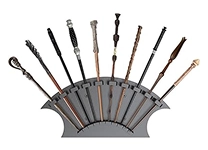
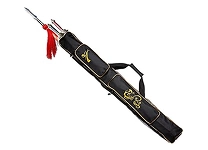
A suitable weapon should fit the training method and the guidance of the school or instructor. Length and overall weight can influence control, so compare measurements with the requirements for the relevant discipline rather than choosing by appearance. Useful accessories may include padded cases, wall mounts, replacement grips, practice targets, and protective equipment such as eye protection or gloves when appropriate to the activity. Check whether accessories are included or sold separately, and verify that cases accommodate the item's full dimensions. Practice should take place in a suitable space with adequate clearance and supervision, especially for partner drills. Follow product instructions and local rules, and store items securely away from children and unauthorized users.
- Match dimensions to discipline requirements
- Check cases and protective accessories
- Use supervision and secure storage
Care, Storage, and Product Selection
Routine care helps preserve a training weapon's condition and makes inspection part of responsible ownership. Wipe products after use and follow the manufacturer's directions for cleaning; avoid applying liquids or treatments that could damage a finish, grip, foam, or adhesive. Store wooden items in a dry place away from excessive heat and moisture, and keep padded equipment clean and fully dry before placing it in a case. Inspect handles, joints, surface cracks, loose fittings, and worn padding before each session. Retire damaged equipment rather than continuing to use it. When shopping on Ubuy, read product descriptions carefully, compare listed dimensions and materials, and check whether the item is intended for practice, collection, or display before placing it in a cart.
- Follow material-specific care instructions
- Inspect for cracks, loose parts, and wear
- Confirm purpose and specifications before purchase
Select the Right martial arts weapons
Start with the discipline and the intended setting: beginner practice, a class requirement, a demonstration, or a collection. Ask an instructor about approved materials, dimensions, and training versions before buying, particularly when the item will be used with a partner. Compare weight, length, grip, balance, construction, and included accessories across product listings, and choose a design you can handle responsibly. Consider whether a padded or lightweight trainer better fits your current experience than a rigid or metal product. Read care guidance and storage needs, and check applicable rules before purchasing or carrying any item. Ubuy offers a place to explore international martial arts weapon listings and compare available product details; use those specifications to make an informed choice aligned with your purpose and training environment.
- Begin with instructor and discipline requirements
- Compare specifications and intended use
- Prioritize responsible handling and storage