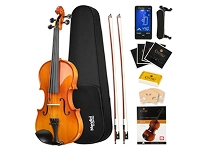
Explore Orchestral String Instruments for Every Ensemble
Orchestral string instruments create the tonal foundation and expressive range of symphony orchestras, chamber groups, school ensembles, and contemporary arrangements. The main families are violins, violas, cellos, and double basses, each offering a distinct register, playing position, and role in an ensemble. Players produce sound by drawing a bow across the strings or plucking them, a technique known as pizzicato. Instrument size, setup, tone, and playability all affect how well a model suits its player and musical setting. Options range from student instruments designed for learning to advanced models selected for nuanced response. Whether you are replacing an instrument, starting lessons, or building an ensemble, understanding these differences helps narrow the choices. Ubuy offers a place to discover orchestral string instruments and related products from international selections.
- Four core families: violin, viola, cello, and double bass
- Bow and pizzicato playing techniques
- Choices for learners, ensembles, and experienced musicians
Compare Violins, Violas, Cellos, and Double Basses
The violin is the smallest and highest-pitched orchestral string instrument, commonly carrying melody and upper harmonies. A viola is slightly larger, with a warmer middle register that supports inner harmonies and adds depth to the string section. Cellos provide a broad range of expressive lines, from resonant low notes to lyrical melodies, and are played seated with the instrument resting on an endpin. The double bass anchors the lowest register and is played standing or seated on a tall stool. Within each family, full-size and fractional sizes help match the instrument to a player's proportions, particularly for younger learners. Compare scale length, body dimensions, weight, and comfortable reach rather than choosing by age alone. Orchestra parts and playing position can also guide selection.
- Match instrument family to register and ensemble role
- Consider fractional sizes for growing players
- Check comfort, reach, and playing position
Choose Materials, Construction, and Instrument Setup
Wood selection and craftsmanship influence an instrument's resonance, durability, and response. Many acoustic orchestral strings use a spruce top with maple for the back, ribs, and neck, while fingerboards and fittings are often made from ebony or other suitable hardwoods. Construction quality matters, but a higher price or ornate finish does not automatically mean a better fit. Pay attention to the bridge, nut, soundpost, fingerboard alignment, and peg function, since these setup details affect tuning and comfortable playing. Some instruments are sold ready to play, while others may benefit from adjustment by a qualified luthier. Varnish, tailpiece design, and fittings can differ between models. When comparing options on Ubuy, review product specifications and included components to understand what arrives with the instrument and whether setup or accessories may be needed.
- Spruce and maple are common tonewood choices
- Setup affects tuning, response, and comfort
- Check specifications and included components
Compare Strings, Bows, and Essential Accessories
A complete playing setup extends beyond the instrument itself. Strings may use synthetic, steel, or gut-based cores, each with a different feel, tuning stability, response, and tonal character; D'Addario, Pirastro, and Thomastik-Infeld are recognized string makers. Bows typically combine a stick, frog, and horsehair, with balance, weight, and grip influencing control across different bow strokes. Rosin helps bow hair grip the strings, while a shoulder rest can support violin or viola positioning. Cellists and bassists use endpins, and musicians in every section may need a music stand, tuner, cleaning cloth, and protective case. Check that accessories match the instrument size and playing style. Replacement strings should also be selected for the correct instrument and scale, since a mismatched set may not fit or perform as intended.
- Compare string materials and tonal response
- Choose a balanced bow and suitable rosin
- Confirm accessory and string sizing
Consider Skill Level, Sound, and Long-Term Care
For beginners, a comfortable instrument with dependable tuning and a suitable setup can make regular practice more rewarding. Advancing players may prioritize tonal color, projection, dynamic response, and consistency across registers, while ensemble musicians should consider how the sound blends with other instruments. Brand names such as Yamaha and Eastman appear across parts of the string-instrument market, but model specifications and individual fit remain important. Protect instruments from sudden temperature or humidity changes, which can affect wood and tuning. After playing, wipe rosin dust from the strings and body with a clean, dry cloth, and loosen bow hair before storing the bow. Keep instruments in a well-fitting case and arrange periodic checks when setup issues arise. Ubuy can help shoppers explore international instrument choices, accessories, and replacement components in one category.
- Prioritize comfort and setup for new players
- Assess projection, response, and ensemble blend
- Clean gently and store in a protective case
Select the Right orchestral string instruments
Start by identifying the instrument family, size, and playing level that suit the intended musician and repertoire. Compare acoustic construction, setup details, included bow and case, string type, and any accessories needed for lessons or performance. If choosing between models, consider how comfortably the player can hold the instrument, reach the fingerboard, and maintain a relaxed posture. Review product measurements and sizing information carefully, especially for fractional instruments, and seek guidance from a teacher or instrument specialist when uncertain. For experienced players, listen for qualities such as clear articulation, balanced registers, responsive dynamics, and a tone that fits the ensemble. Factor in ongoing needs such as replacement strings, rosin, bow care, and professional adjustments. A considered comparison helps make the purchase more practical for practice, rehearsal, and performance.
- Match size and playing level to the musician
- Compare setup, components, and product measurements
- Plan for care and replacement accessories