Explore Essential Sewing Supplies for Every Project
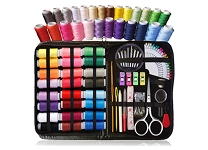
Sewing supplies cover the tools and materials used to plan, construct, repair, and finish sewn projects. A basic kit often includes fabric scissors, pins or clips, a seam ripper, hand-sewing needles, measuring tape, a thimble, and a selection of thread. More involved work may call for a rotary cutter and cutting mat, tailor's chalk, pattern paper, a bodkin, or specialty presser feet. These essentials support tasks ranging from hemming garments and replacing buttons to quilting, embroidery, and home décor. Consider how you sew, the space available for storage, and the projects you make most often before building a kit. A compact set can suit occasional mending, while separate tools for cutting, measuring, marking, and finishing make regular sewing easier to organize. Ubuy offers a way to discover sewing supplies and specialist tools from international product ranges.
- Core tools for sewing, mending, and finishing
- Options for beginners and experienced makers
- Build a kit around your project needs
Choose Fabric, Thread, and Interfacing That Work Together
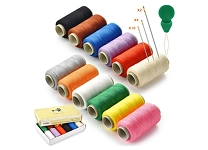
Fabric selection affects a project's drape, comfort, durability, and care requirements. Cotton is a versatile choice for quilting and many everyday projects; linen has a distinctive texture, while denim and canvas suit sturdier items. Knits stretch, so they generally work best with a ballpoint or stretch needle and a suitable stitch. Match thread weight and fiber to both the fabric and its intended use: all-purpose polyester is widely used for general sewing, while cotton thread can suit quilting and other natural-fiber projects. Interfacing adds structure to areas such as collars, cuffs, waistbands, and bag panels. Fusible interfacing attaches with heat, whereas sew-in types are stitched in place. Check fabric weight, stretch, washability, and care instructions together, and test the combination on a scrap before sewing the finished piece.
- Match thread and needle to fabric
- Use interfacing to add targeted structure
- Test stitch settings on fabric scraps
Select Needles, Pins, and Marking Tools for Accuracy
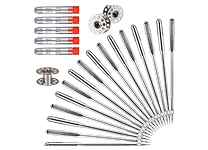
The right needle helps prevent skipped stitches, snags, and damage to fabric. Sewing machine needles are available in types such as universal, denim, ballpoint, quilting, and embroidery; choose by fabric and thread, then replace a dull or bent needle. Hand-sewing needles also vary in length, eye size, and purpose. Fine pins can hold lightweight fabric, while clips are useful for thicker layers or materials that may show pin marks. For accurate cutting and placement, use a tape measure, clear ruler, tailor's chalk, washable marking pen, or tracing wheel suited to the material. Always check that a marking method can be removed safely, especially on delicate or pale cloth. Ubuy can help shoppers explore specialized sewing notions and marking tools for different techniques, alongside everyday essentials.
- Needle types suit different fabrics and stitches
- Pins and clips keep layers aligned
- Choose removable markers for the material
Compare Sewing Machines, Presser Feet, and Accessories
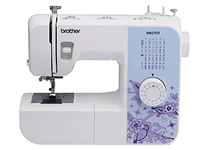
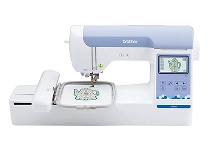
A sewing machine can speed up construction and produce consistent seams, but its features should match the work you plan to do. Mechanical models offer straightforward controls, while computerized machines may provide selectable stitches, speed adjustment, or buttonhole settings. Check the machine's included stitches, workspace, threading method, and compatibility with needles and presser feet. A zipper foot, buttonhole foot, walking foot, or quilting guide can make specific tasks easier, though attachments are not universal. Beginners may value simple threading and clear controls; frequent makers may prioritize stitch range, adjustable settings, or a larger sewing area. Keep the manual and confirm accessory compatibility before purchasing add-ons. Ubuy provides a place to discover sewing machines and related accessories from international product ranges, so compare specifications carefully rather than assuming parts fit across models.
- Compare controls, stitches, and workspace
- Check presser-foot and needle compatibility
- Choose accessories for planned techniques
Use Cutting, Quilting, and Finishing Notions Effectively
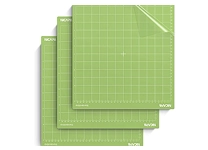
Specialist notions help with techniques that need more control or a polished finish. Rotary cutters paired with self-healing mats and quilting rulers make it easier to cut repeated shapes and long fabric strips; keep blades sharp and store them safely. Quilting projects may also use batting, binding, clips, and a walking foot to manage multiple layers. Garment construction can call for elastic, zippers, buttons, snaps, bias tape, hooks, or hem tape, depending on the design. Embroidery and decorative work may need hoops, stabilizers, or specialty thread. For clean edges, consider pinking shears, an overcast stitch, or a serger where appropriate. Choose notions based on fabric thickness, finish, and laundering needs, and follow product instructions when applying heat-activated or adhesive materials.
- Use rotary tools with a suitable cutting mat
- Select closures for garment and project design
- Match finishing methods to fabric and care
Select the Right sewing supplies
Start with the project: a repair kit needs dependable hand needles, thread, scissors, pins, and a seam ripper, while garment sewing may require a machine, pattern, closures, interfacing, and fabric-specific needles. Quilting calls for accurate rulers, a rotary cutter, cutting mat, and supplies for managing layered fabric. Compare material quality, dimensions, thread compatibility, and care instructions, and check whether accessories are included or sold separately. If you are building a first kit, prioritize versatile essentials before adding specialty tools. For ongoing work, organize small notions in labeled containers and keep sharp tools protected. Clean lint from sewing-machine areas as directed, change needles when they become worn, and store fabric and thread away from excess moisture and direct sunlight. Ubuy lets shoppers discover a broad mix of sewing supplies, making it useful to compare product details and find tools suited to a particular skill level or project.
- Begin with the tools your projects require
- Check dimensions and accessory compatibility
- Store and maintain supplies carefully